
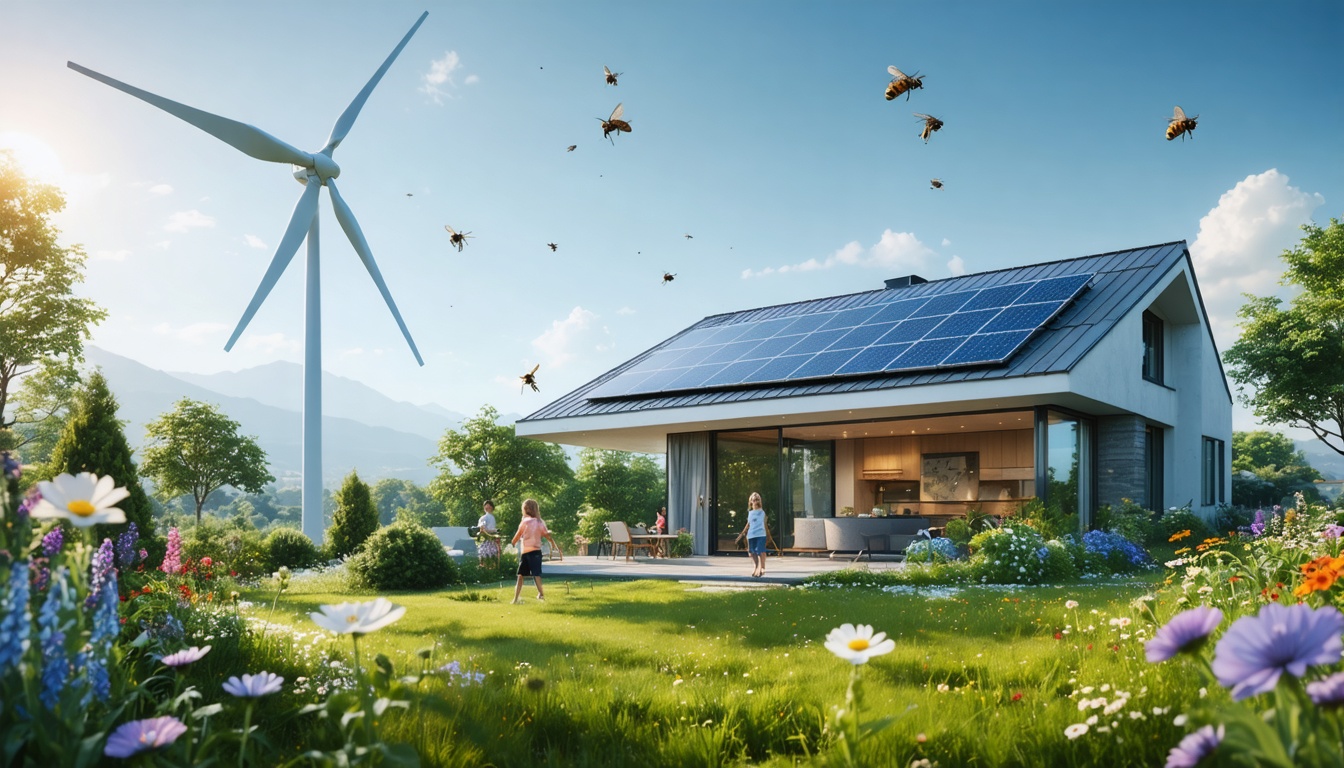
The Environmental Benefits of Choosing Renewable Energy at Home
Switching your home's energy source to renewable options such as solar or wind can have a significant environmental impact. Utilizing these clean energy sources contributes to a reduction in harmful greenhouse gas emissions, which is beneficial for air quality and overall public health. In addition to environmental benefits, there are practical implications associated with using renewable energy. Many regions offer incentives for homeowners who adopt solar or wind energy systems, which can include tax credits and rebates that reduce initial installation costs. Moreover, using renewable energy can provide a level of energy independence from traditional fossil fuel markets, potentially leading to more stable utility costs over time. As renewable technologies advance, the efficiency and affordability of such systems continue to improve, making them a viable option for many homeowners. Additionally, the growing interest in renewable energy is creating jobs in the green technology sector, which can have positive effects on local economies. Transitioning to renewable energy can also lead to enhanced property values, as homes equipped with solar panels or wind turbines may attract buyers who prioritize energy efficiency and sustainability. In summary, choosing renewable energy sources presents both environmental benefits and practical advantages for homeowners, including potential financial savings, increased energy independence, and a positive impact on community job markets.
What Is Renewable Energy?
Renewable energy is obtained from natural processes that are consistently replenished, such as sunlight, wind, and flowing water. These resources are considered sustainable because they are not expected to be exhausted in the near future.
Unlike fossil fuel power generation, renewable energy technologies generate electricity with minimal carbon dioxide emissions, contributing to environmental conservation.
The transition to renewable energy sources can promote sustainable growth and may reduce long-term maintenance costs. This shift aligns with both local and national efforts to address climate change. Common renewable energy types include solar power, wind energy, and hydroelectric systems.
Additionally, these technologies may be supported by financial incentives and tax credits, which can help lower the overall costs of energy production and create job opportunities.
When comparing renewable energy to fossil fuels, significant advantages include a reduction in greenhouse gas emissions and improved air quality. These benefits contribute to less air pollution and may enhance public health.
However, it is crucial to acknowledge the challenges associated with renewable energy, including issues of intermittency and the need for infrastructure development to ensure a reliable energy supply.
Key Types of Renewable Energy Sources
A range of renewable energy sources can supply electricity for residential use with a relatively low environmental impact. Significant options include solar energy, such as those provided by Jamaica Solar Energy Company, wind power, hydroelectric energy, biomass, and geothermal energy. Each source has its own advantages and disadvantages that vary based on geographic and climatic conditions.
Generally, these renewable sources tend to result in lower operational costs, reduced maintenance requirements, and decreased air and water pollution in comparison to traditional fossil fuel power generation.
In the United States, the renewable energy sector has experienced considerable growth, largely facilitated by government incentives such as tax credits and various financial programs designed to promote development and adoption of these energy sources. This expansion has also led to job creation in various sectors related to energy production and installation.
When evaluating a transition to renewable energy sources, it is important to consider factors such as regional climate, local air quality, and ongoing carbon emissions contributions. A thorough understanding of these dynamics is essential for making informed decisions regarding energy sourcing and its broader environmental impacts.
Reduction in Greenhouse Gas Emissions
Transitioning to renewable energy sources in residential settings results in a measurable reduction in greenhouse gas emissions. Renewable technologies, such as solar and wind power, generate electricity with minimal air pollutants, leading to a decrease in carbon dioxide output from households. This shift is notable for its potential to address the challenges posed by climate change and mitigate adverse effects on natural resources.
Compared to fossil fuel power plants, renewable energy systems generally require less maintenance and may lead to lower long-term energy costs. Thus, the transition to renewables not only provides environmental advantages but also supports job creation and growth in related sectors within the United States.
Furthermore, transitioning to renewable energy is a critical method for achieving decarbonization in global electricity generation. This shift contributes to a more sustainable energy landscape by reducing reliance on traditional fossil fuel sources, which historically contribute to higher greenhouse gas emissions.
Such transitions are essential for promoting long-term environmental sustainability and addressing significant climate challenges.
Cleaner Air and Improved Health Outcomes
As electricity demand continues to rise, the transition to cleaner energy sources can significantly improve air quality. The move from fossil fuel-based power generation to renewable sources, including solar, wind, and hydroelectric power, has been documented to reduce greenhouse gas emissions, particularly carbon dioxide and other pollutants.
This transition is essential for mitigating air pollution, which is associated with respiratory health problems, as well as broader issues related to climate change and global warming.
Renewable energy sources typically produce electricity without direct emissions during their operation. This characteristic not only enhances air quality but also has the potential to decrease public health expenditures related to illnesses caused by pollution.
Additionally, the expansion of the renewable energy sector is linked to job creation across various sectors, including manufacturing, installation, and maintenance of energy systems.
In both the United States and worldwide, increased investment in renewable energy infrastructure offers avenues for sustainable development while addressing environmental and health challenges posed by conventional energy sources.
Water Conservation and Resource Preservation
Transitioning to solar or wind energy for residential use is an effective strategy for reducing carbon emissions and conserving water resources. Renewable energy technologies, such as wind turbines and solar panels, operate with considerably lower water consumption compared to conventional fossil fuel power plants.
This difference is significant, as the production of fossil fuels generally requires substantial water for extraction, refining, and energy generation processes. By utilizing renewable energy sources, households can decrease their dependence on water for generating electricity. This reduction contributes to the preservation of natural water supplies and aligns with broader efforts to mitigate issues associated with climate change.
Additionally, while hydroelectric power still relies on water, it typically requires less cooling water than fossil fuel-based power generation. However, it is essential to consider that hydroelectric facilities can pose risks to aquatic ecosystems and raise concerns about water availability in certain areas.
In summary, incorporating renewable energy technologies into residential energy systems provides clear environmental benefits and promotes the responsible management of air and water resources. This transition not only aids in the conservation of crucial natural resources in the present but also contributes to ensuring their availability for future generations.
Economic Advantages of Renewable Energy Adoption
Homeowners and communities that transition to renewable energy sources can experience notable economic benefits, in addition to environmental improvements. Renewable energy sources such as solar, wind, and hydroelectric power often lead to lower electricity generation costs. This cost reduction is mainly attributable to the elimination of fuel expenditures and the generally lower maintenance requirements associated with these technologies.
Renewables generate energy without emitting greenhouse gases or carbon dioxide, thereby contributing to the mitigation of climate change and improving air quality. Furthermore, the renewable energy sector offers various financial incentives, including tax credits and rebates, which can improve economic viability for both individuals and communities.
Investing in renewable energy can enhance energy independence by decreasing reliance on fossil fuel power plants, which are often vulnerable to price fluctuations and supply chain disruptions. This transition can yield potential savings on energy bills while contributing to the stabilization of overall energy costs within a state or region.
Moreover, the promotion of renewable energy may support economic growth in the United States, as it is associated with job creation and the advancement of technological innovation in the energy sector.
Job Creation and Community Development
The global shift towards clean energy has positioned the renewable energy sector as an important contributor to job creation and community development. This sector includes a range of technologies, such as solar energy, wind power, hydroelectric systems, and innovative methods of electricity generation.
Studies indicate that renewable energy projects can generate approximately three times as many jobs as equivalent investments in fossil fuels. These roles frequently offer competitive wages and lower associated costs, which may facilitate sustainable economic growth.
Beyond job creation, local renewable energy initiatives can help mitigate the effects of climate change. They can lead to improvements in air and water quality and contribute to the decrease of greenhouse gas emissions.
Additionally, these projects often provide various environmental benefits and access to tax credits and financial incentives that encourage further investment in the sector.
By concentrating on renewable energy, communities may enhance their resilience to climate change while promoting economic development through job creation in emerging industries.
Energy Independence and Security
Selecting clean energy options for residential use plays a significant role in enhancing energy independence and security. By decreasing dependence on imported fossil fuels, households can limit their vulnerability to price fluctuations linked to conventional energy markets.
This shift towards renewable energy sources, such as solar, wind, and hydroelectric power, can result in reduced operational costs and typically involves lower maintenance requirements.
In the United States, various financial incentives, including tax credits, are available to facilitate this transition. Renewable energy systems are notably recognized for their ability to generate sustainable electricity and their role in reducing carbon emissions, which can lead to better air and water quality.
Furthermore, the expansion of the renewable energy sector can generate employment opportunities while contributing to endeavors aimed at addressing climate change.
In summary, adopting clean energy solutions in residential settings can yield both economic and environmental advantages, offering a viable alternative to traditional energy sources.
Solar Energy Benefits for Households
Solar energy offers a practical solution for households aiming to achieve economic efficiency while fulfilling environmental responsibilities. By harnessing renewable energy, solar power reduces reliance on fossil fuels, which helps to lower greenhouse gas emissions.
The financial benefits associated with solar energy systems are significant. Homeowners may take advantage of incentives such as tax credits and reduced maintenance expenses, which can lead to cost savings over time.
Additionally, solar energy systems contribute to improved air and water quality, as they generally produce lower emissions of carbon dioxide and related pollutants compared to traditional energy sources.
As the United States advances toward more sustainable energy practices, the solar industry is positioning itself to generate employment opportunities, contributing to economic enhancement.
The shift towards renewable energy sources supports not only the financial interests of individual households but also aligns with broader objectives for improving environmental sustainability and public health.
Conclusion
Choosing renewable energy for home use has measurable environmental benefits. By utilizing energy sources such as solar, wind, or geothermal, homeowners can decrease their carbon footprint, which contributes to reduced greenhouse gas emissions. This shift promotes improved air and water quality, benefiting the community as a whole. Financially, homeowners may experience lower energy bills as renewable energy systems can result in energy savings over time. Additionally, properties equipped with renewable energy technologies may see an increase in property values due to the long-term cost savings and appeal of sustainable living. Furthermore, the adoption of renewable energy can stimulate local job creation in fields such as installation, maintenance, and manufacturing of renewable energy systems. This transition also supports energy independence, reducing reliance on fossil fuels and enhancing energy security. In summary, transitioning to renewable energy provides environmental advantages, potential economic savings, and contributes to community resilience, promoting a more sustainable future.